Español
 Français
 Deutsch
 Italiano
 Português
 Nederlands
Blog ·
Mijas Pueblo: what to see in the Costa del Sol’s white village
Hermitages, viewpoints, museums and whitewashed streets: a route through the must-see sights of Mijas Pueblo, with the mountains behind and the Mediterranean below.
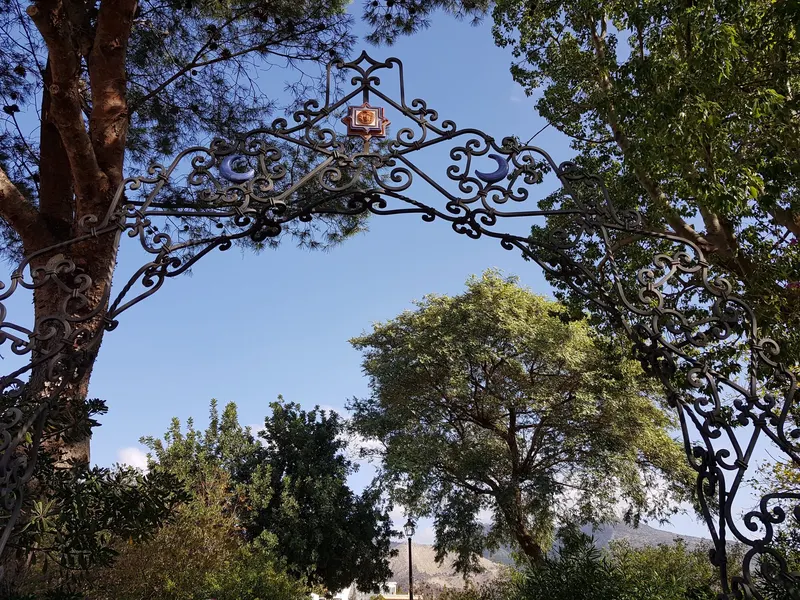
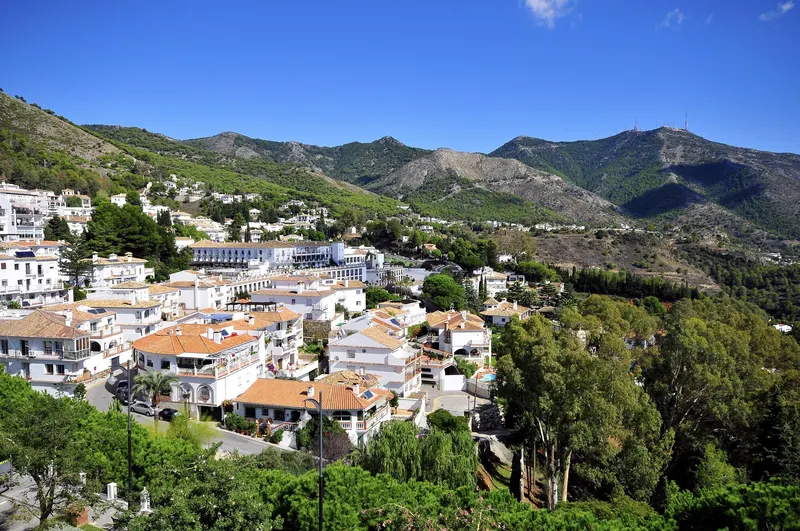
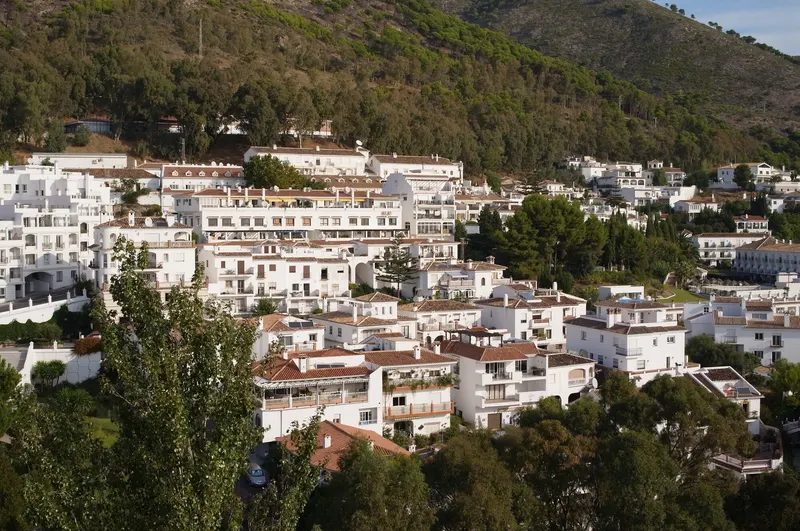
Mijas Pueblo is the historic heart of the municipality: a whitewashed village more than 400 metres above sea level, on the slopes of the Sierra de Mijas, with views stretching along the coast from Fuengirola to Málaga. Here is a route taking in its must-see sights.
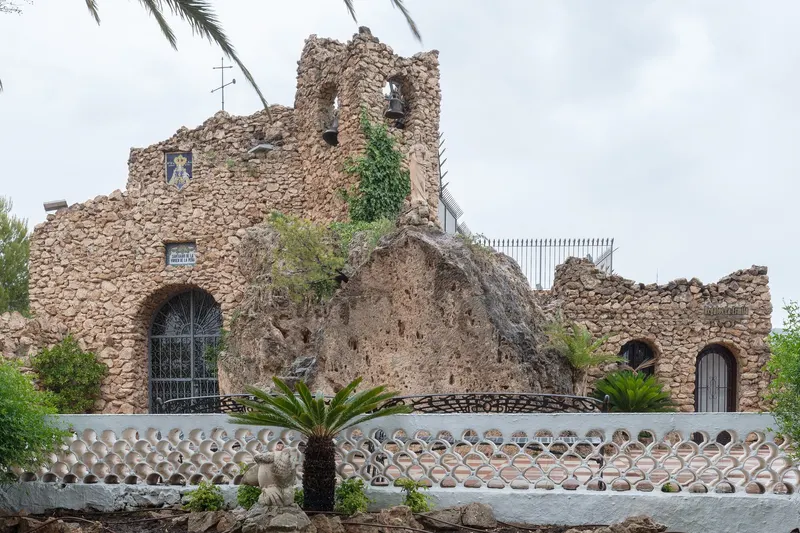
La Virgen de la Peña
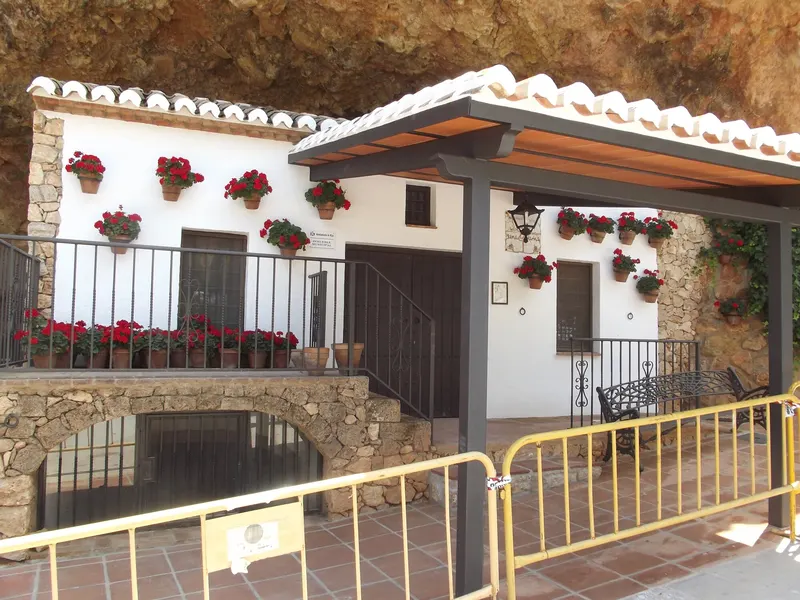
Start at the Ermita de la Virgen de la Peña, a hermitage carved into the rock and dedicated to the patron saint of Mijas:
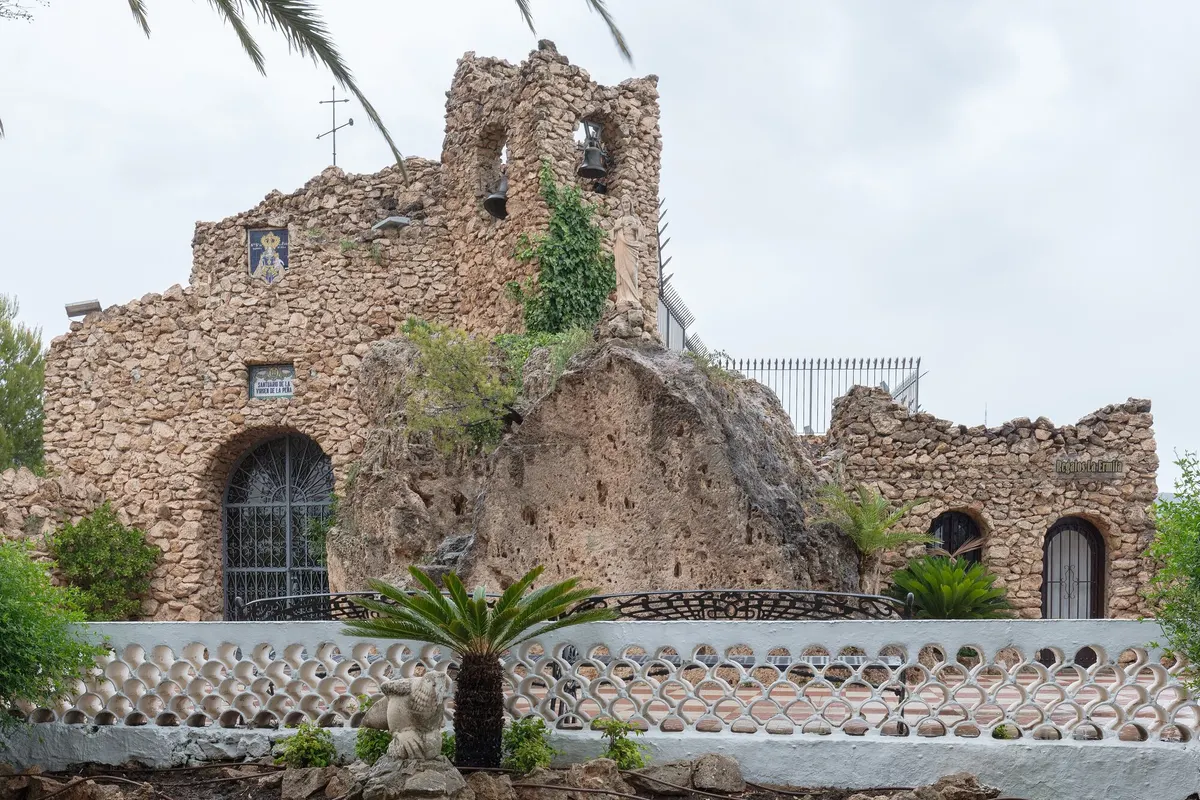 Ermita de la Virgen de la Peña · Photo: Diego Delso · CC BY-SA 4.0 · Wikimedia Commons
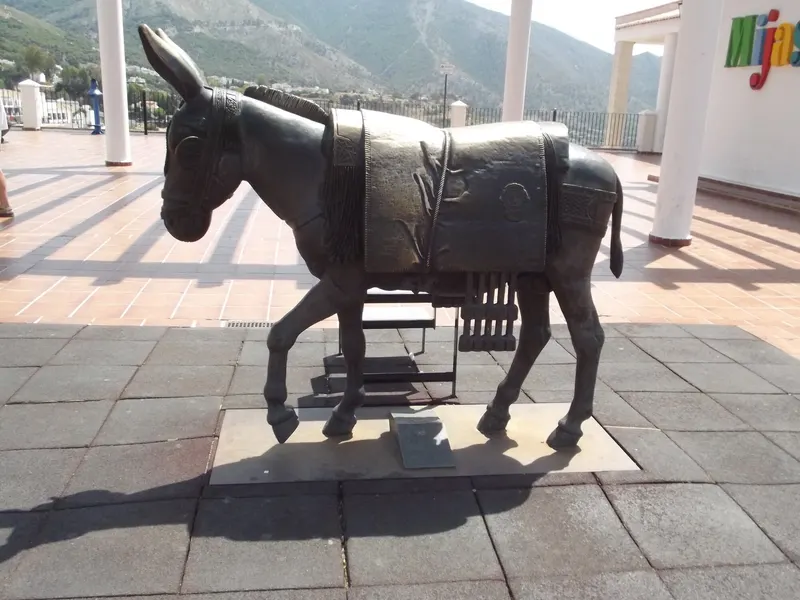
Beside it, the Mirador Jesús Jaime Mota and Mirador Hermanos Núñez Andreu viewpoints look out over the whole Costa del Sol. Nearby is the Escultura del Burro de Mijas, a sculpture paying tribute to the popular donkey taxis.
Walls, church and bullring
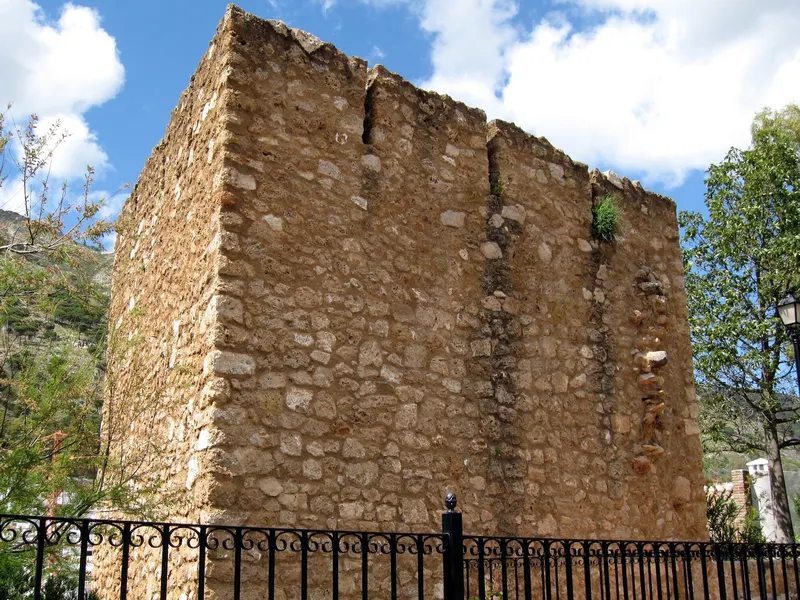
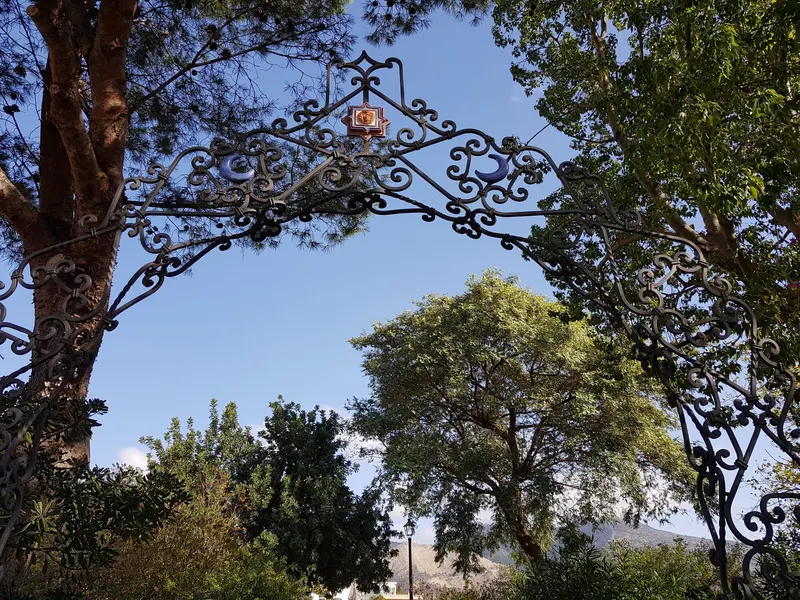
Sections of the old fortress, the Castillo de Mijas, still stand, now enclosing the Jardines de la Muralla:
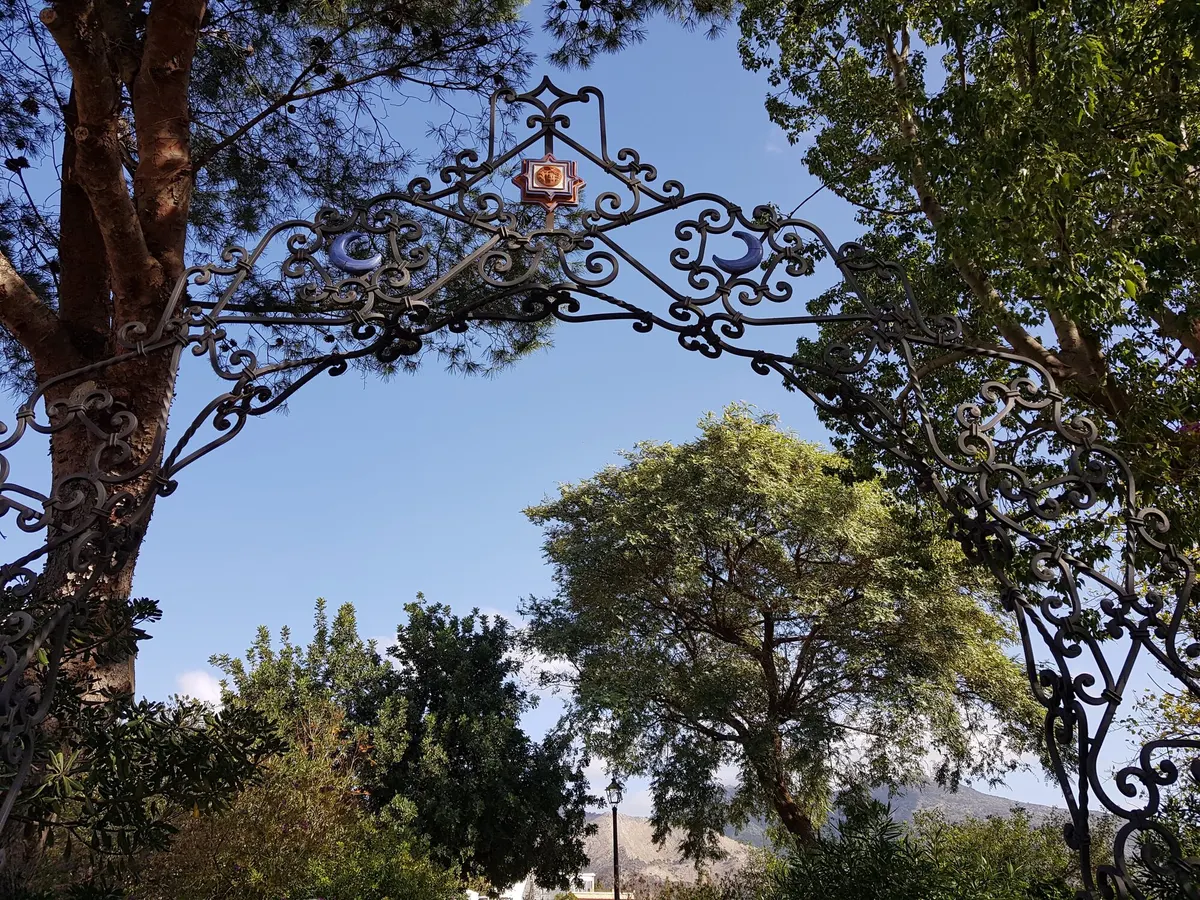 Jardines de la Muralla · Photo: Tyk · CC BY-SA 4.0 · Wikimedia Commons
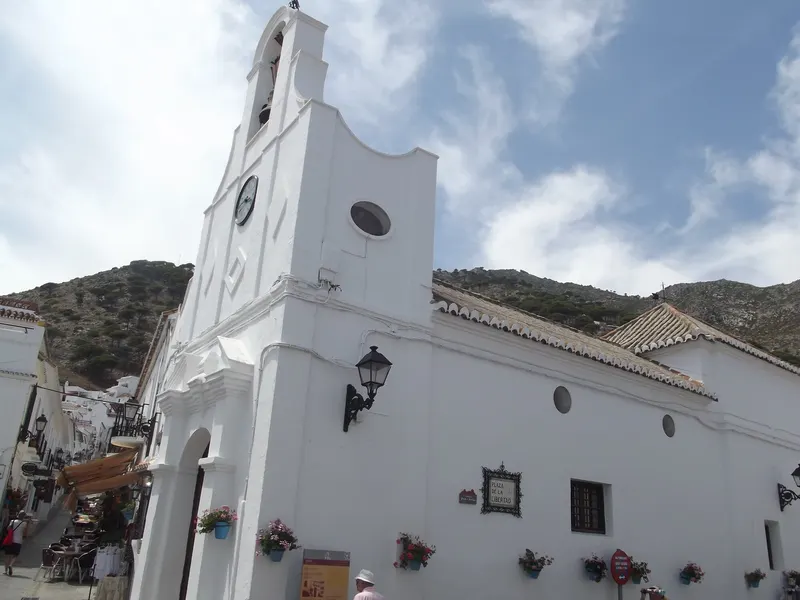
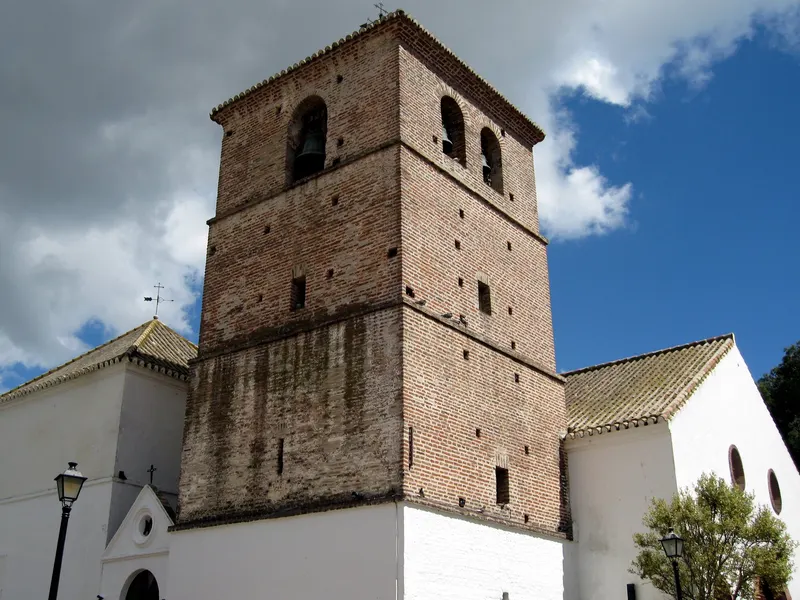
Beside the gardens stands the Iglesia de la Inmaculada Concepción:
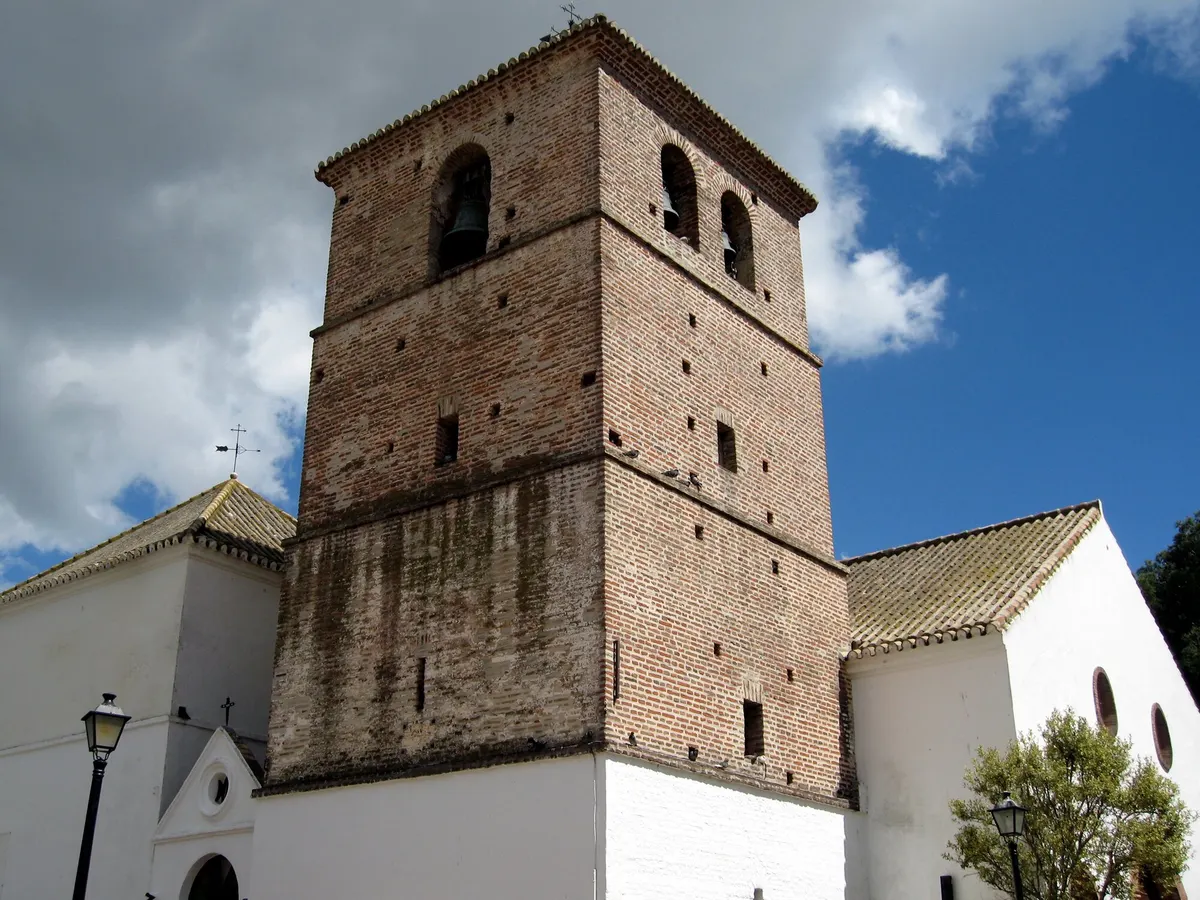 Iglesia de la Inmaculada Concepción · Photo: Olaf Tausch · CC BY 3.0 · Wikimedia Commons
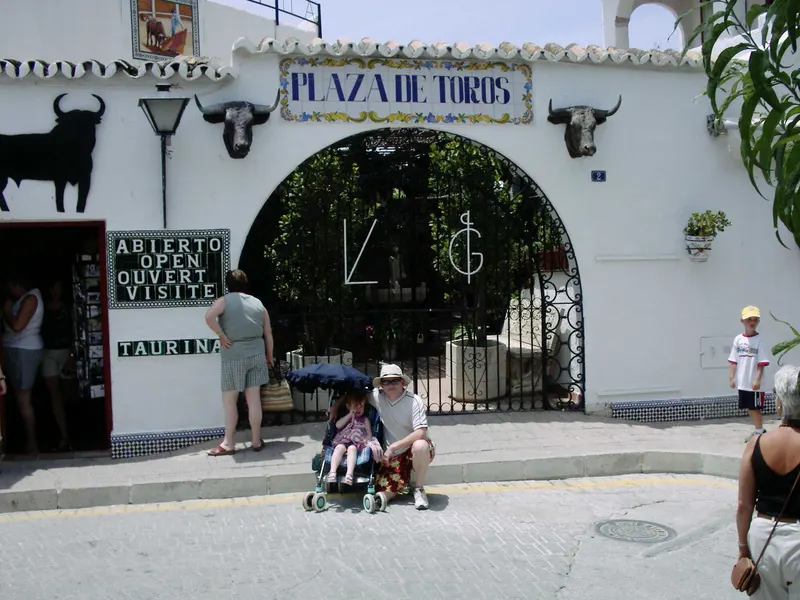
And just a few steps away is the Plaza de Toros de Mijas, the bullring that is one of the village’s best-known sights:
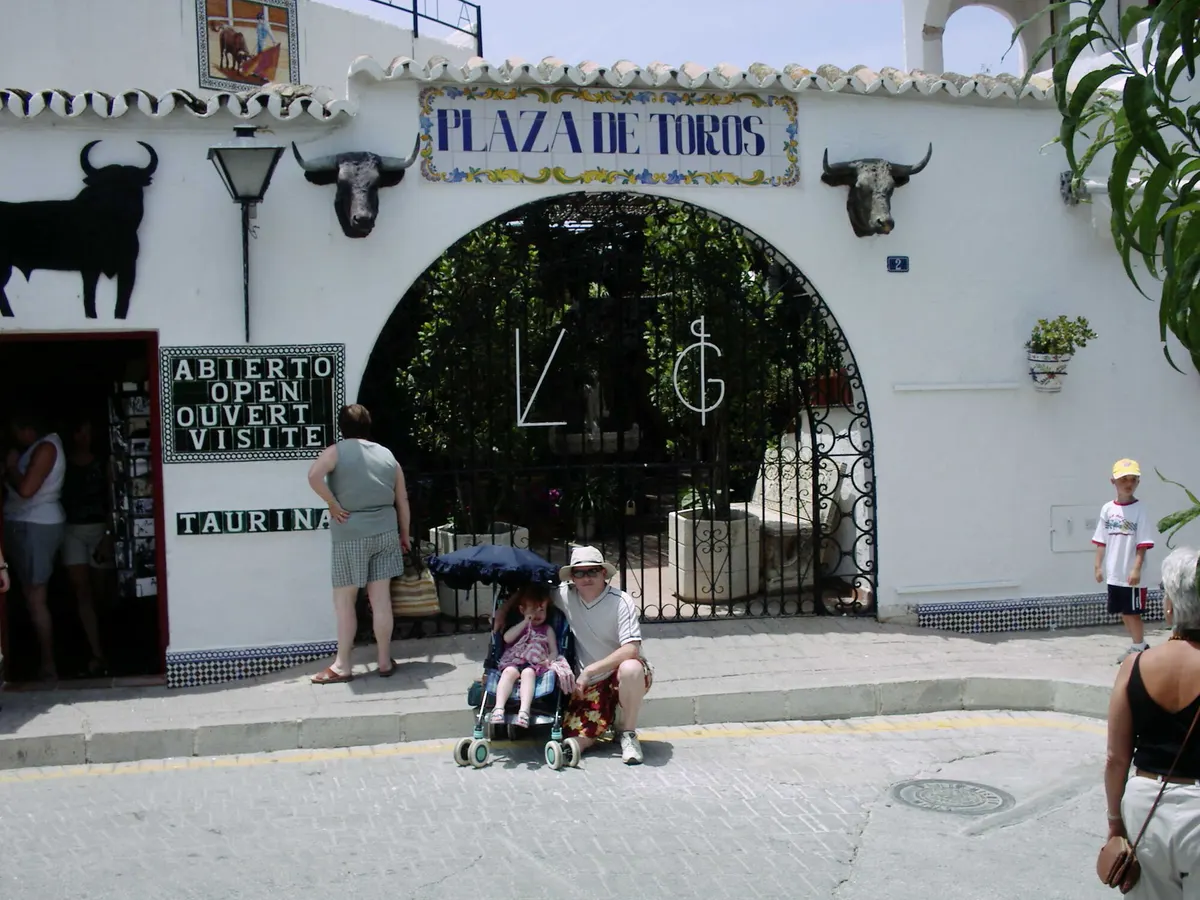 Plaza de Toros de Mijas · Photo: maryelle96 · CC BY-SA 3.0 · Wikimedia Commons
Streets steeped in history
On calle San Sebastián, one of the most photographed streets, you will find the Ermita de San Sebastián:
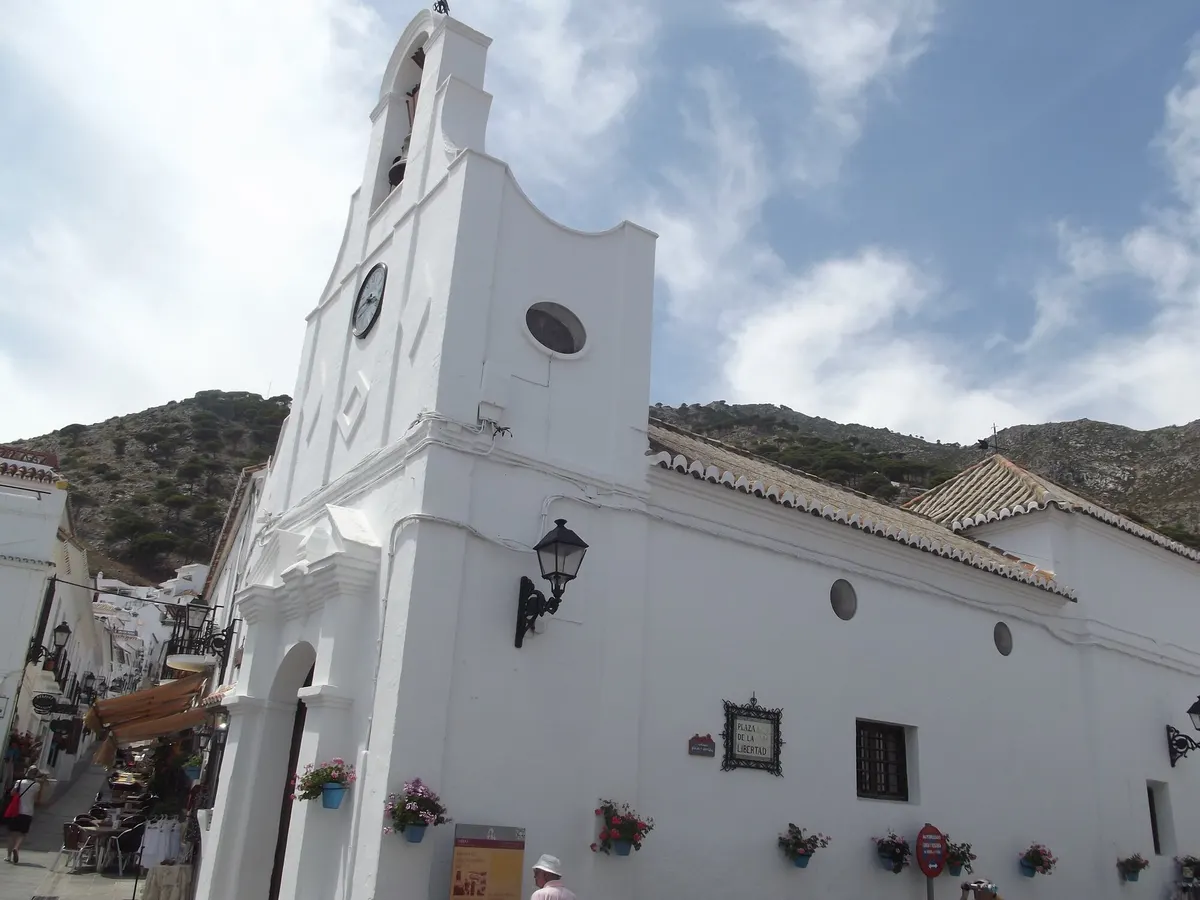 Ermita de San Sebastián · Photo: Elliott Brown from Birmingham, United Kingdom · CC BY-SA 2.0 · Wikimedia Commons
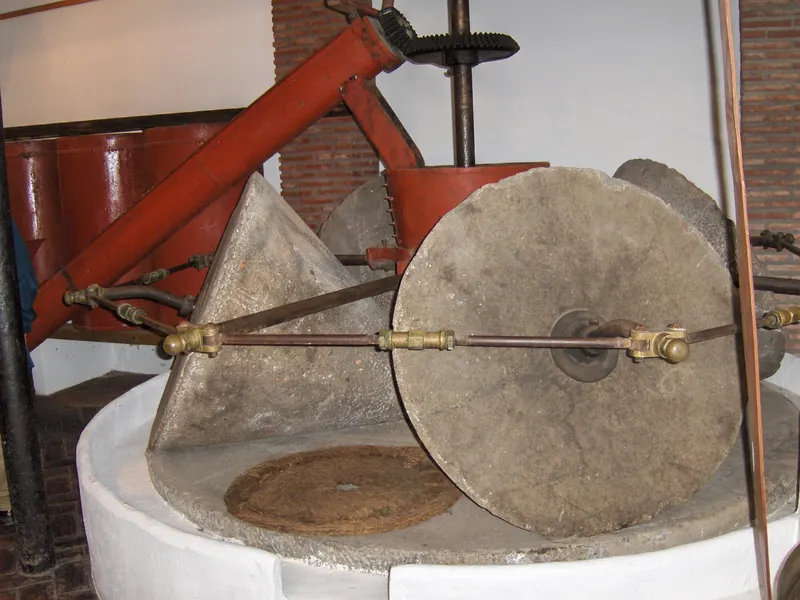
Around the old town, you will also find the Antiguo Molino de Harina, the old flour mill, and the Cuevas de la Antigua Fragua. In the upper part of the village, the Fuente de los Siete Caños fountain stands beside the Ermita de Nuestra Señora de los Remedios. To the west, the Mirador Juan Antonio Gómez Alarcón offers views over the valley.
Museums and culture
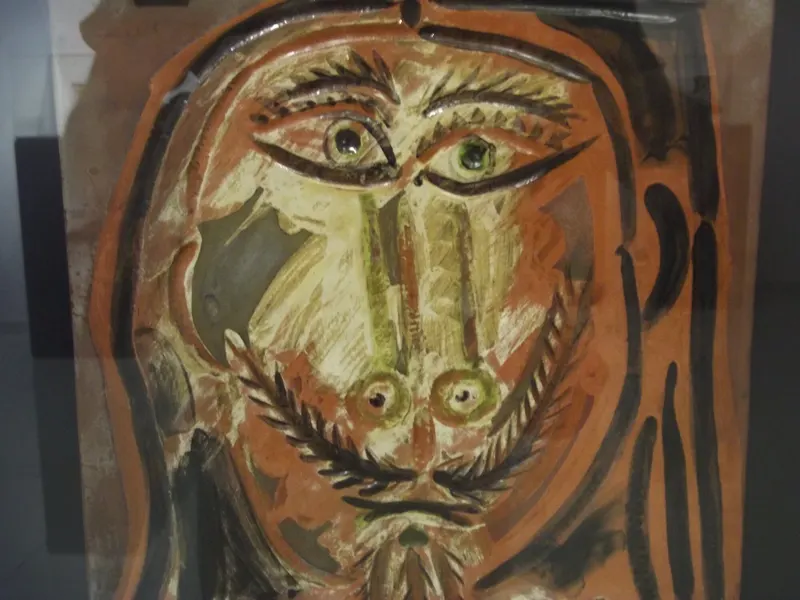
- The Centro de Arte Contemporáneo de Mijas (CAC), with one of the largest collections of Picasso ceramics:
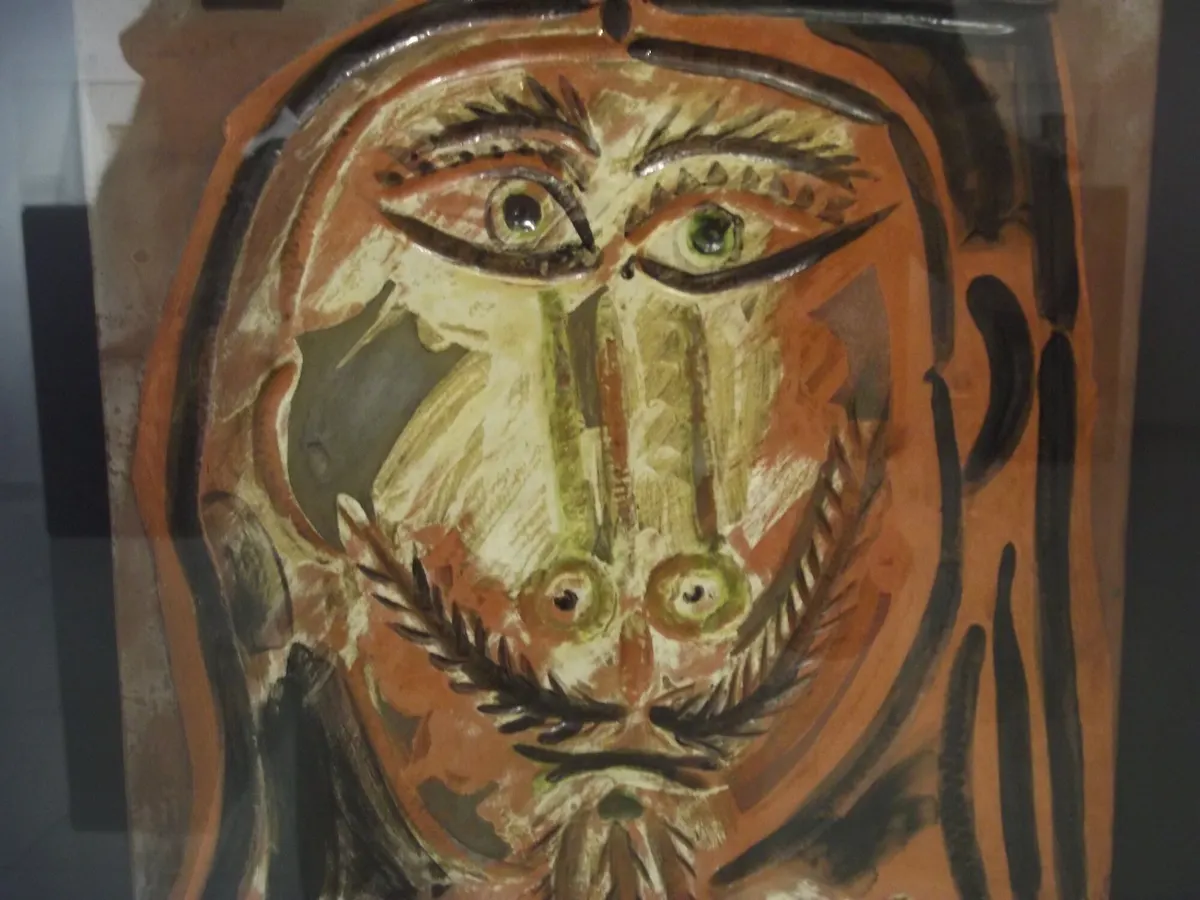 Centro de Arte Contemporáneo de Mijas (CAC) · Photo: Elliott Brown from Birmingham, United Kingdom · CC BY-SA 2.0 · Wikimedia Commons
- The Museo Histórico-Etnológico (Casa Museo), dedicated to traditional life:
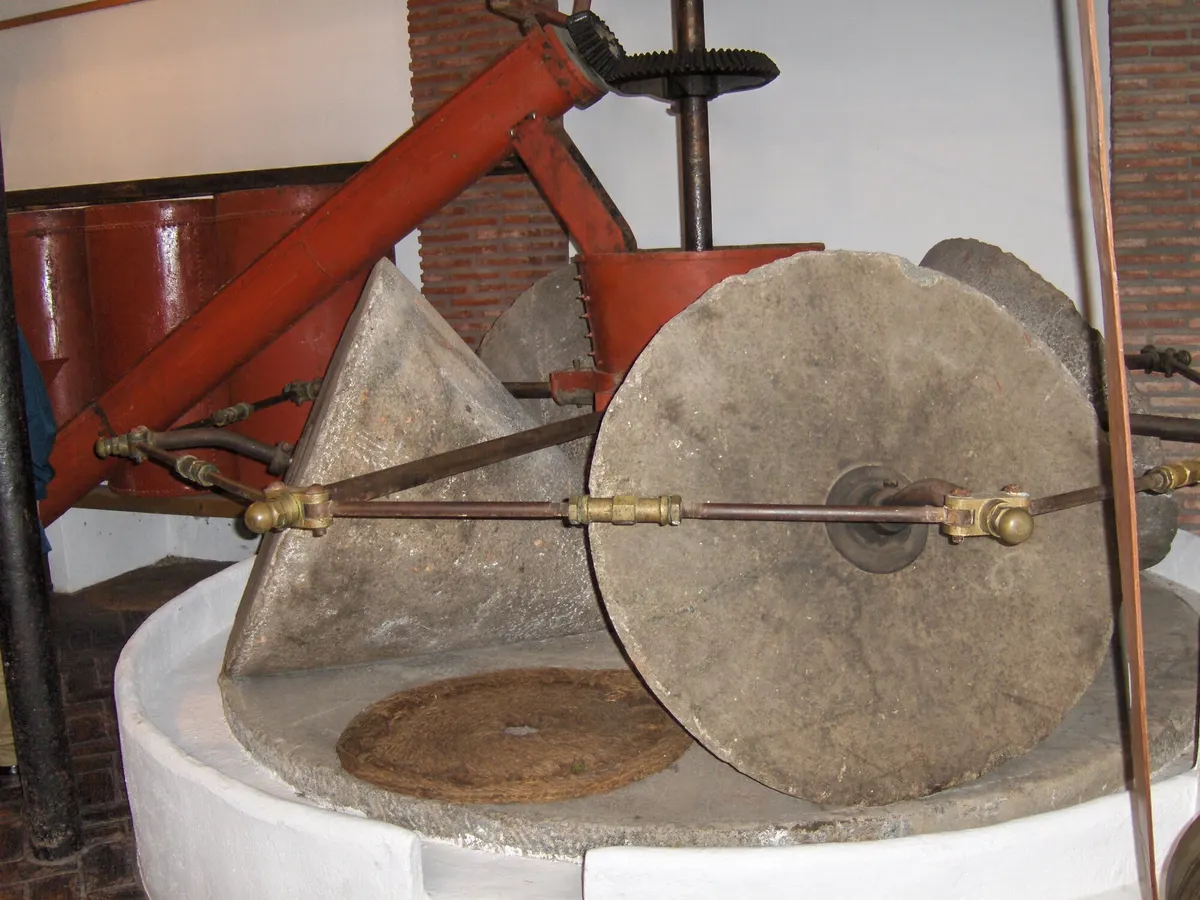 Museo Histórico-Etnológico (Casa Museo) · Photo: Tyk · CC BY-SA 3.0 · Wikimedia Commons
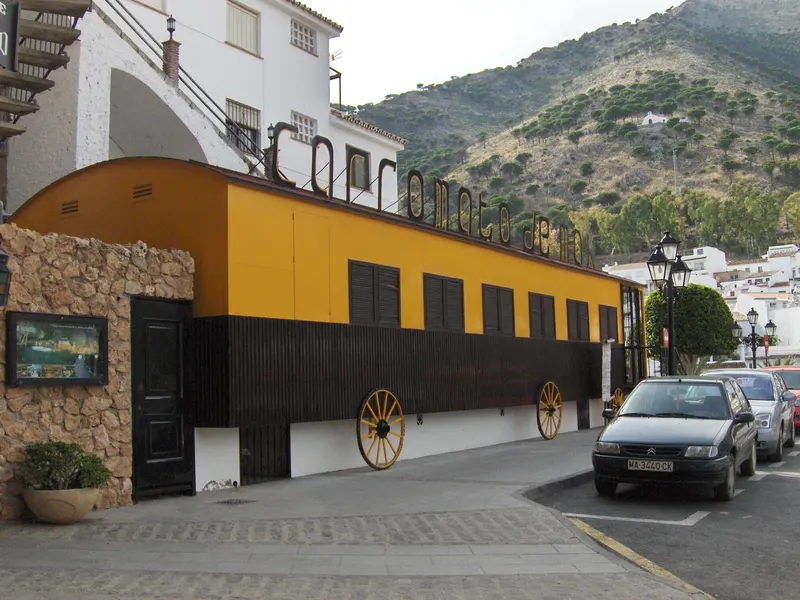
- The Museo del Vino wine museum and the quirky Carromato de Max, with its miniatures.
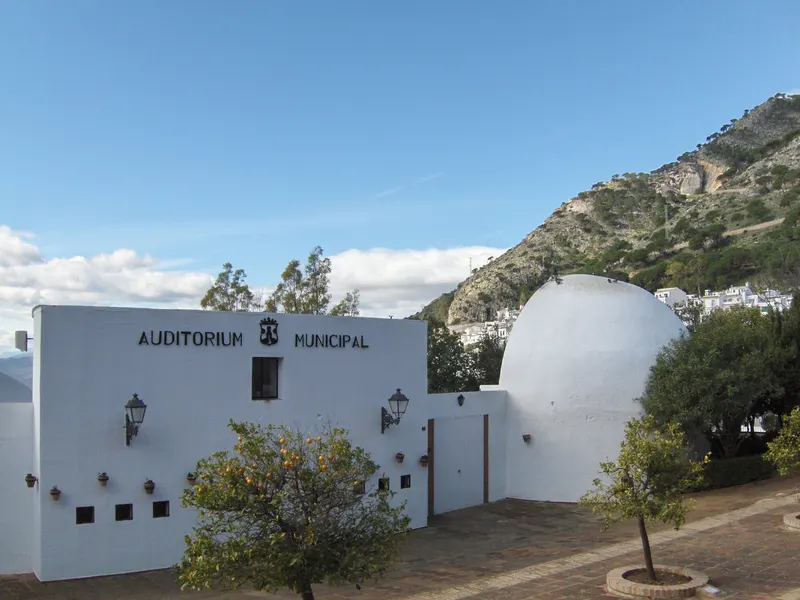
- The Auditorio Miguel González Berral, a venue for concerts and festivals.
Heading into the mountains
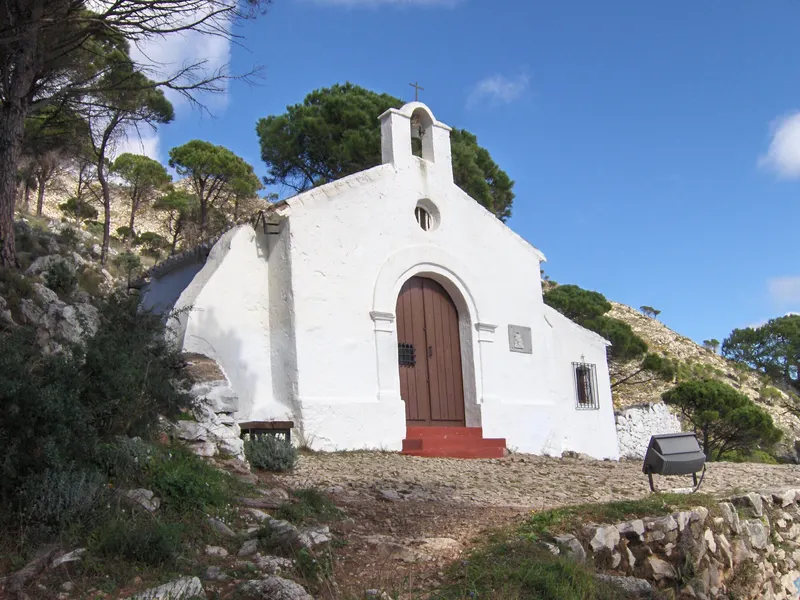
The Ermita del Calvario is reached by a path through the pines:
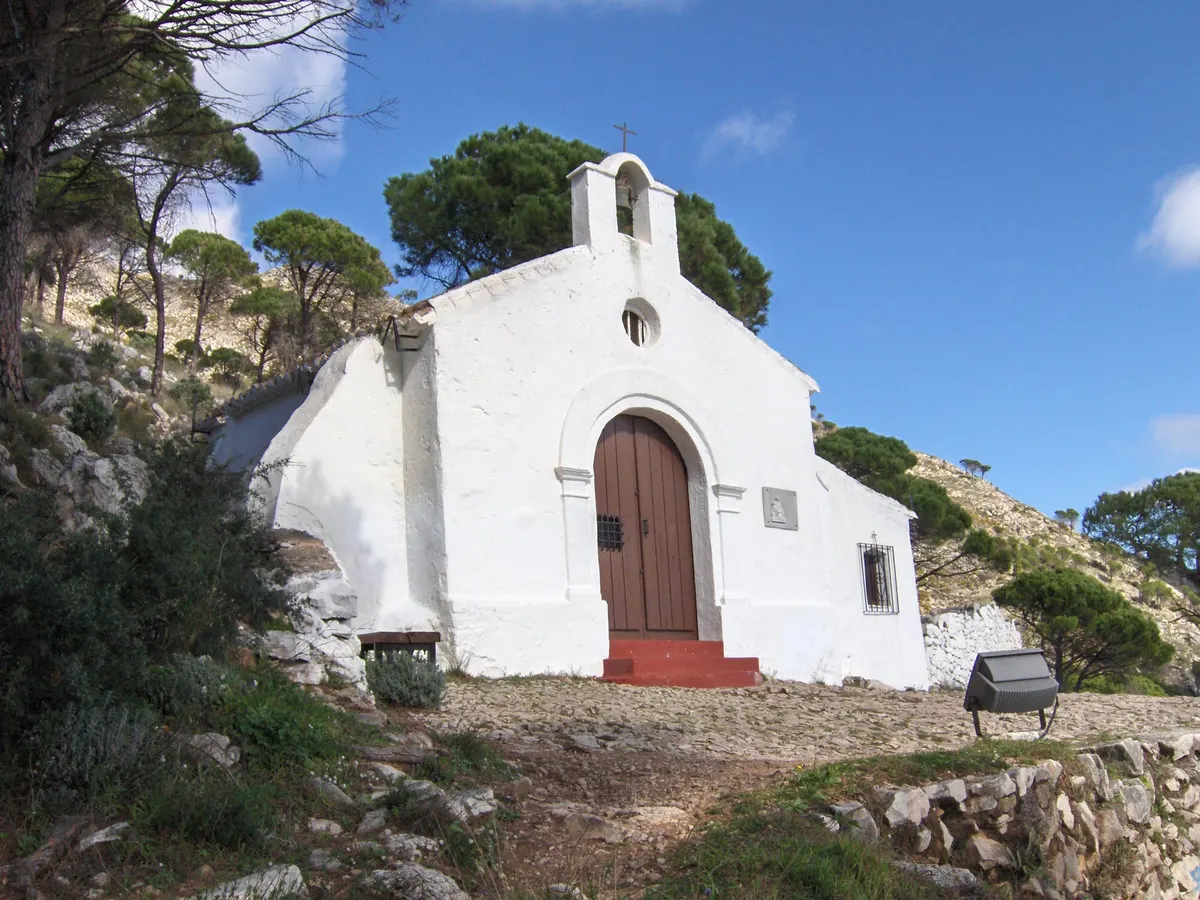 Ermita del Calvario · Photo: Tyk · CC BY-SA 3.0 · Wikimedia Commons
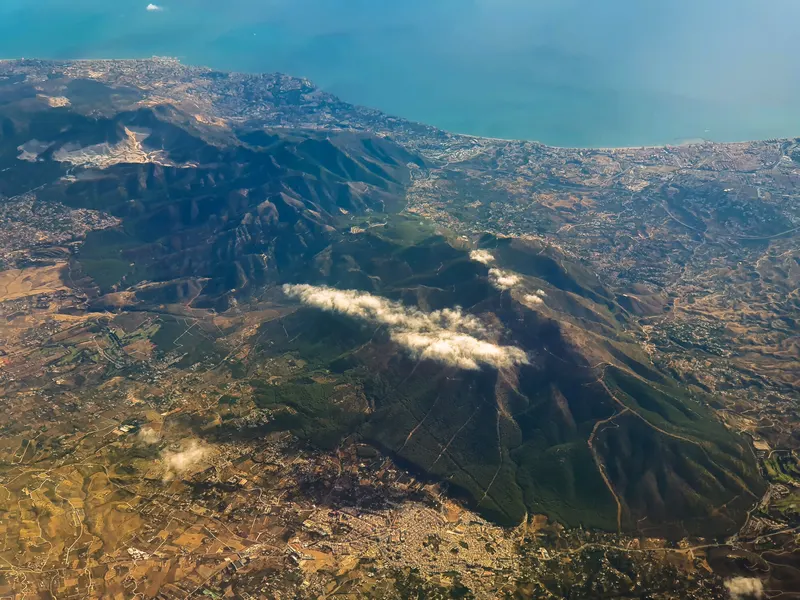
Higher up, the viewpoints of Cañada Gertrudis, Cañada Morena and la Cantera await, along with Pico Mendoza for keener mountain walkers. The whole Sierra de Mijas is a walkers’ paradise.
Tips
Wear comfortable shoes: the village is full of hills. Visit early in the morning or at sunset, when the light over the sea is at its loveliest, and in summer avoid heading into the mountains during the hottest part of the day.
Find out more about Mijas Pueblo.